
Art in America
Art in America
Nov 1, 2019
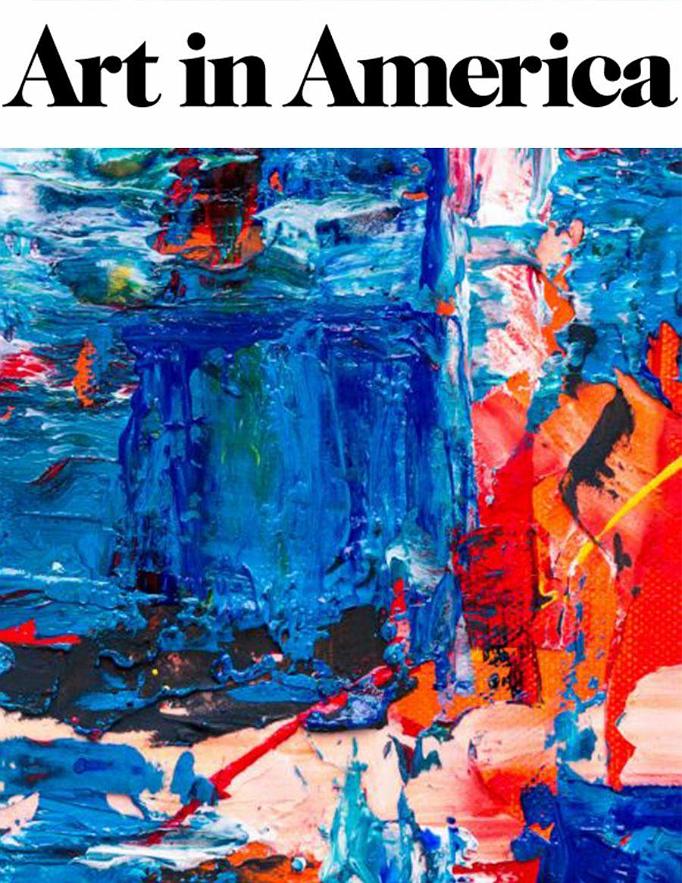
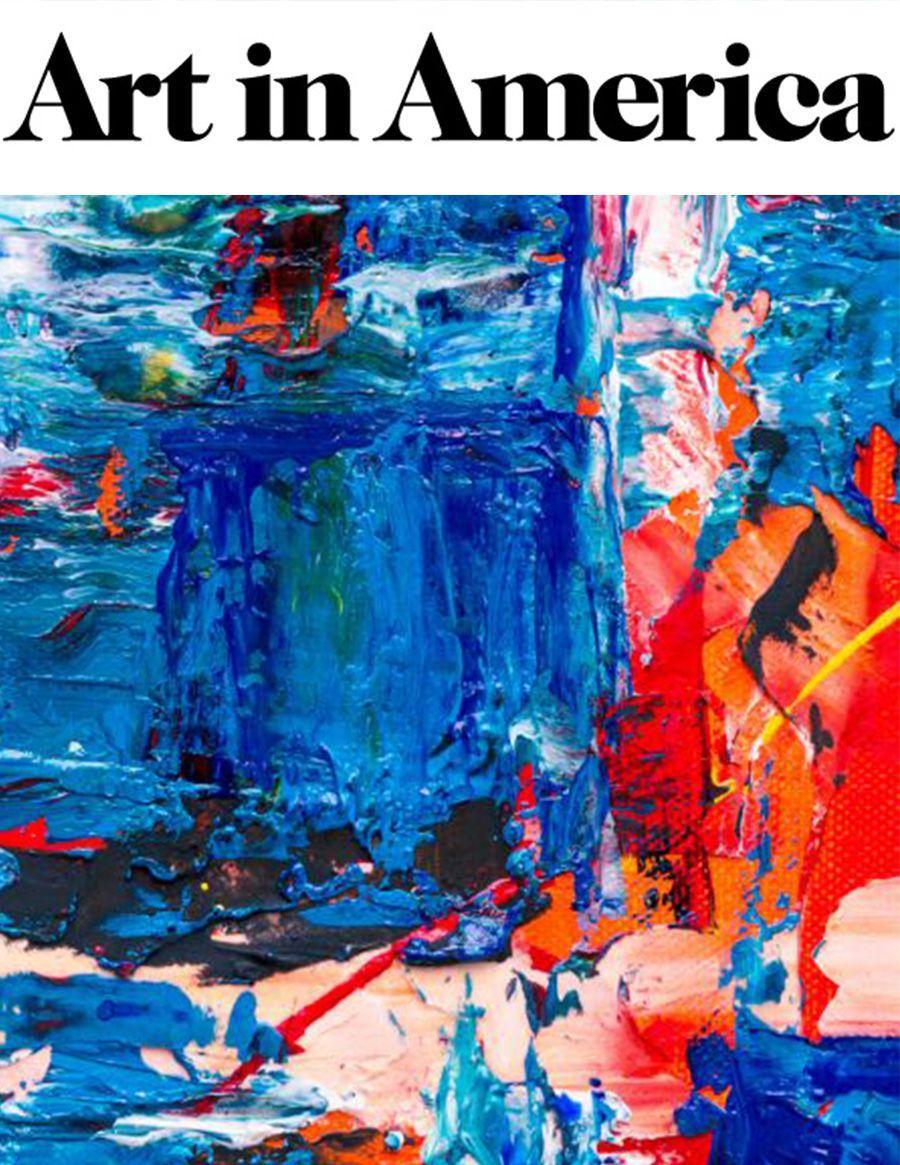
In his latest solo exhibition at the Marlowe Gallery in Los Angeles, expressionist painter Luis Tyler delivers a visceral punch of color and gesture that refuses to be ignored. Known for his emotionally charged canvases and kinetic brushwork, Tyler continues to push the boundaries of abstraction with a rawness that feels both ancient and immediate. The show, titled Veins of the Sky, features twelve large-scale works that seem to pulse with internal weather systems—storms of pigment, memory, and movement.
Tyler, who came to painting after a decade as a jazz percussionist, brings a rhythmic sensibility to his compositions. His canvases are not so much painted as performed—each mark a beat, each smear a syncopation. In Red Echoes, a 7-foot-wide canvas dominated by crimson and slate, the viewer is drawn into a vortex of layered emotion that feels almost sculptural in its depth.
Critics have long compared Tyler’s work to that of the Abstract Expressionists, but his influences are more global and contemporary. He cites Yoruba textiles, Basquiat’s urgency, and the choreography of Pina Bausch as key inspirations. There’s a spiritual undertow to his work, a sense that each painting is a ritual of release.
What sets Tyler apart is his refusal to resolve the chaos. His paintings don’t offer catharsis—they hold tension like a breath never exhaled. In Nocturne for the Unspoken, jagged lines in cobalt and ochre clash and converge, evoking both conflict and communion.
The exhibition’s centerpiece, Veins of the Sky II, is a towering triptych that reads like a visual symphony—its movements unfolding across panels with a sense of inevitability and improvisation. Tyler’s use of negative space is as deliberate as his explosions of color, allowing silence to speak as loudly as sound.
Born in Houston and now based in Oakland, Tyler has emerged as a vital voice in contemporary painting, especially among younger artists exploring identity through abstraction. His work resists easy interpretation, instead inviting viewers to feel first and think later.
At a time when much of the art world leans toward conceptual coolness, Tyler’s paintings burn hot. They are unapologetically emotional, defiantly analog, and deeply human. As he told Art in America in a recent interview, “I’m not trying to explain anything. I’m trying to survive it.”
With Veins of the Sky, Luis Tyler doesn’t just paint emotion—he detonates it.
Tyler, who came to painting after a decade as a jazz percussionist, brings a rhythmic sensibility to his compositions. His canvases are not so much painted as performed—each mark a beat, each smear a syncopation. In Red Echoes, a 7-foot-wide canvas dominated by crimson and slate, the viewer is drawn into a vortex of layered emotion that feels almost sculptural in its depth.
Critics have long compared Tyler’s work to that of the Abstract Expressionists, but his influences are more global and contemporary. He cites Yoruba textiles, Basquiat’s urgency, and the choreography of Pina Bausch as key inspirations. There’s a spiritual undertow to his work, a sense that each painting is a ritual of release.
What sets Tyler apart is his refusal to resolve the chaos. His paintings don’t offer catharsis—they hold tension like a breath never exhaled. In Nocturne for the Unspoken, jagged lines in cobalt and ochre clash and converge, evoking both conflict and communion.
The exhibition’s centerpiece, Veins of the Sky II, is a towering triptych that reads like a visual symphony—its movements unfolding across panels with a sense of inevitability and improvisation. Tyler’s use of negative space is as deliberate as his explosions of color, allowing silence to speak as loudly as sound.
Born in Houston and now based in Oakland, Tyler has emerged as a vital voice in contemporary painting, especially among younger artists exploring identity through abstraction. His work resists easy interpretation, instead inviting viewers to feel first and think later.
At a time when much of the art world leans toward conceptual coolness, Tyler’s paintings burn hot. They are unapologetically emotional, defiantly analog, and deeply human. As he told Art in America in a recent interview, “I’m not trying to explain anything. I’m trying to survive it.”
With Veins of the Sky, Luis Tyler doesn’t just paint emotion—he detonates it.